
Akron Estate Cleanout Checklist for Inherited Homes: What to Sort Before Pickup Day
An estate cleanout can feel overwhelming at the start.
You may be dealing with grief, family decisions, deadlines, and a house full of mixed items at the same time. That is why the best first move is not hauling everything out. The best first move is sorting the property in the right order.
Before pickup day, separate the home into four groups: keep, donate, recycle, and remove. Pull out documents, jewelry, photos, and personal keepsakes first. Then work one room at a time so nothing important gets lost in the process.
For many families handling inherited homes in Akron, this simple system turns a stressful cleanout into a plan that feels manageable.
Quick Answer
Before an estate cleanout pickup in Akron, sort the house in this order: protect paperwork and valuables, clear one room at a time, separate donation items from junk, and mark anything that must stay. If the property has a basement, garage, attic, or years of stored belongings, plan extra time for those areas because they usually slow the process down the most. If you already know the job will need lifting, loading, and haul-away help, review your estate cleanout service options before pickup day.
Why a Checklist Matters During an Estate Cleanout
An estate cleanout is different from a basic cleanout.
The house may hold legal papers, sentimental items, family heirlooms, donation items, and bulky junk at the same time. That mix is what creates mistakes when people move too fast.
A checklist helps you:
- protect important records
- avoid accidental loss
- keep family decisions organized
- reduce delays before pickup day
- make the property easier to clear in stages
In many inherited homes, the real challenge is not one large item. It is the mix of old furniture, boxed paperwork, basement overflow, garage clutter, and undecided keepsakes, all in the same house.
That is why cleanouts often slow down in the middle. Early rooms feel simple. Storage-heavy areas do not.
Step 1: Pull Out the Items That Should Never Be Removed First
Before you touch large furniture or start filling trash bags, find the items that should never be removed by accident.
Start With Documents, Valuables, and Keepsakes
Set these items aside first:
- wills and trust papers
- tax records
- insurance documents
- bank papers
- deeds and titles
- jewelry
- photo albums
- family letters
- medication for safe disposal later
- keys, remotes, and access cards
Use one box for documents and one box for keepsakes.
Do not place those boxes near the garage, driveway, porch, or removal pile. Keep them in a closed room, a vehicle you control, or another safe area away from pickup traffic.
If several family members are helping, label those boxes right away. That one small step prevents confusion later.
That’s the most important part of the cleanout because once bulky items start moving, the pace gets faster. A safe box for documents and valuables protects the things you cannot replace.
Step 2: Work One Room at a Time
Do not try to sort the whole house at once.
That usually creates mixed piles, repeated decisions, and more stress. A better method is simple: finish one room before starting the next one.
Best Room Order for Most Estate Cleanouts
This order works well for many homes:
- bedrooms
- living room
- dining room
- kitchen
- basement
- garage
- attic or storage spaces
Bedrooms and living spaces often help families make early progress.
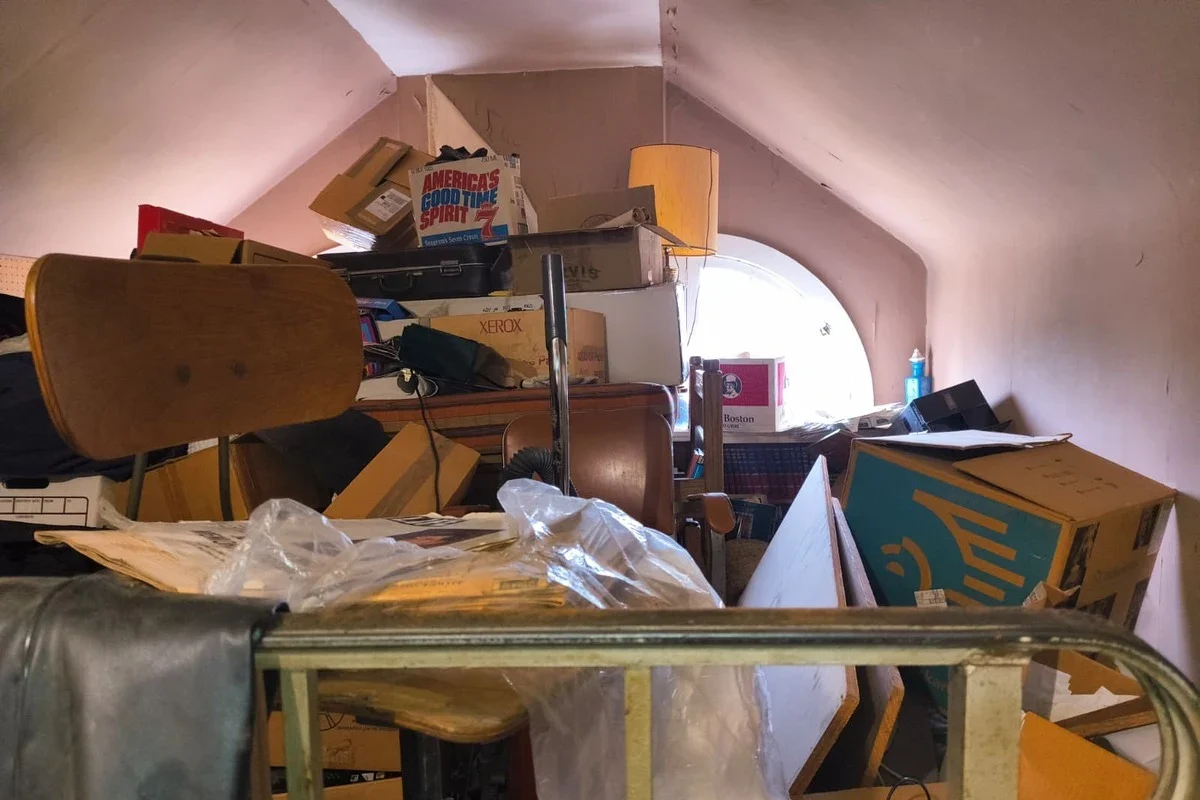
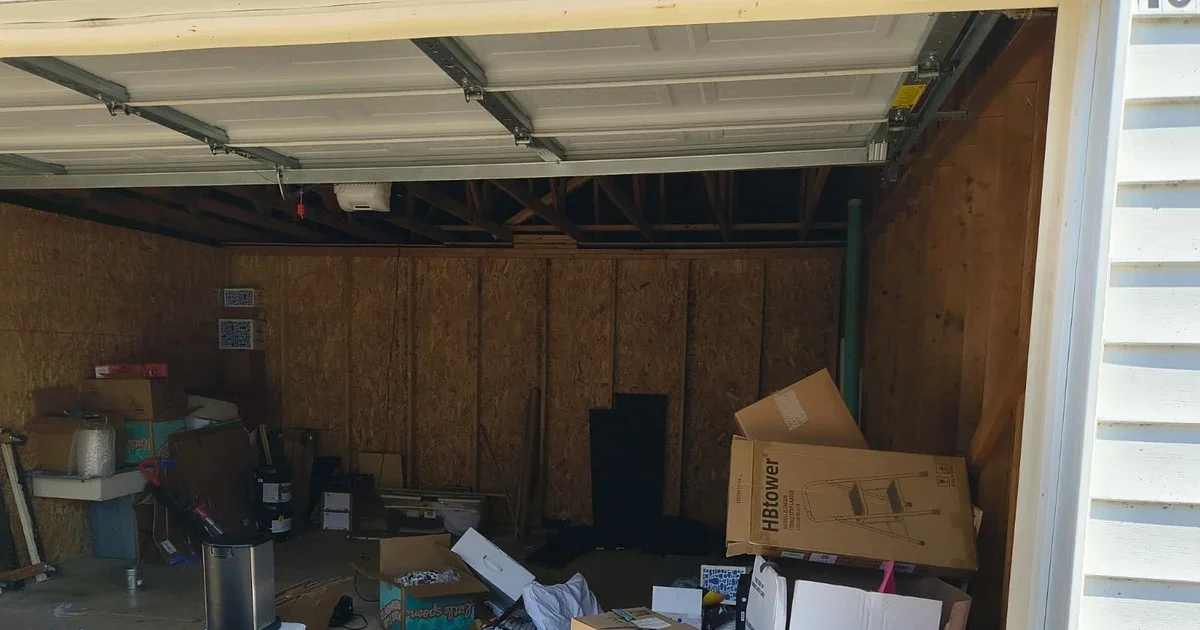
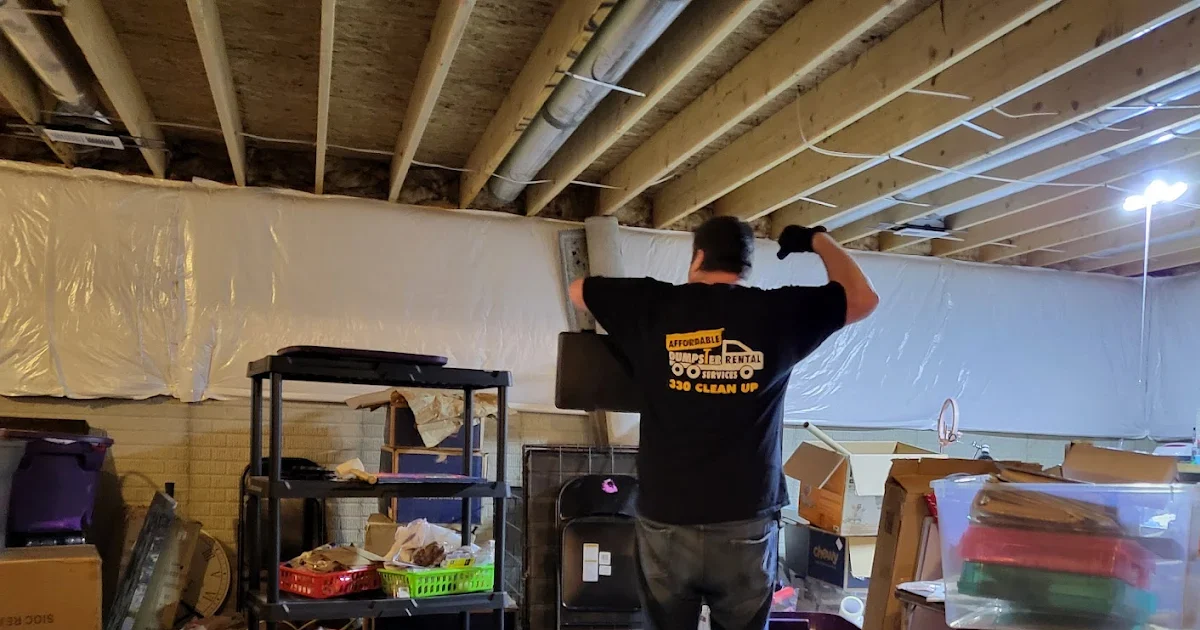
Basements, garages, and attics usually take longer because they hold overflow storage, older furniture, tools, seasonal items, and boxes no one has opened in years.
That is why many estate cleanouts feel easy at first and much harder in the second half. Plan for that now so the timeline does not surprise you later.
A good rule is this: do not open five rooms halfway. Finish one room well, then move on.
Step 3: Sort Everything Into Four Simple Categories
Once you start a room, keep the sorting system simple.
Keep, Donate, Recycle, Remove
Use these four groups:
- Keep for family items and anything still needed
- Donate for clean, usable household goods
- Recycle for metal, electronics, and other materials that should not go in the normal trash
- Remove broken, worn-out, bulky, or unwanted items
This method works because it reduces decision fatigue.
Not every item needs a long discussion. Most things belong in one of these four groups quickly. If someone is unsure, move the item into a small review pile and keep working.
That keeps the cleanout moving without forcing rushed family decisions.
If multiple relatives are involved, choose one review spot for undecided items. A dining room corner, spare bedroom, or labeled table works better than leaving those items spread across the house.
Step 4: Decide What Can Leave the Property Right Away
Some items can be cleared the same day they are approved. Others need more time because they may be donated, reviewed by family, or recycled separately.
Items That Are Often Ready for Removal
These items are often easiest to clear once everyone agrees:
- broken couches and chairs
- damaged mattresses
- worn shelving
- ruined boxes
- non-working household items
- loose basement debris
- old garage clutter
- bulky junk with no resale or donation value
Keep these items away from donation piles and family keepsakes.
That matters because pickup day goes much more smoothly when the removal zone is already clear. It also lowers the risk of someone pointing to the wrong pile when the house gets busy.
If the cleanout includes other bulky household items beyond the estate itself, broader junk pickup and hauling help can also simplify the sorting stage.
Step 5: Prepare the Home Before Pickup Day
A little prep before pickup day saves time and prevents mistakes.
It also helps everyone feel more confident about what is leaving the property.
What to Do Before the Crew Arrives
Try to do these things first:
- box loose small items
- clear stairs and walkways
- unlock gates, garages, or side doors
- mark anything that must stay
- move pets to a safe area
- group removal items by room or section
If the home has narrow stairs, heavy dressers, packed basement corners, or a detached garage full of overflow, make note of that before pickup day.
Those details matter because they affect how long the removal takes and how the property should be approached. They also help the job feel more organized from the start.
That’s also the best time to check small spaces that people often miss, such as freezer drawers, medicine cabinets, desk drawers, file cabinets, and high closet shelves.
Step 6: Know When the Job Is Too Large to Handle Alone
Some estate cleanouts are manageable with family help.
Others are too large, too emotional, or too time-sensitive.
That is normal.
You may want help when:
- the house needs to be cleared quickly
- family members live out of town
- several rooms are full at once
- the property is being prepared for sale
- there are many heavy or bulky items
- the basement or garage is packed
- family decisions are slowing the process down
One common problem in estate cleanouts is not just the lifting. It is the delay caused by unclear sorting. When one family member is still deciding, and another is ready to remove everything, the process stalls.
That is why the cleanest move is to finish sorting first, then choose the right type of help for the amount of material and the timeline. If you are deciding between full-service removal and a container that stays on-site, compare junk removal vs dumpster rental before choosing the next step.
Step 7: Do a Final Walk-Through Before You Finish
Before the job is done, walk through the property one more time.
This is often when families find the last few things they forgot to check.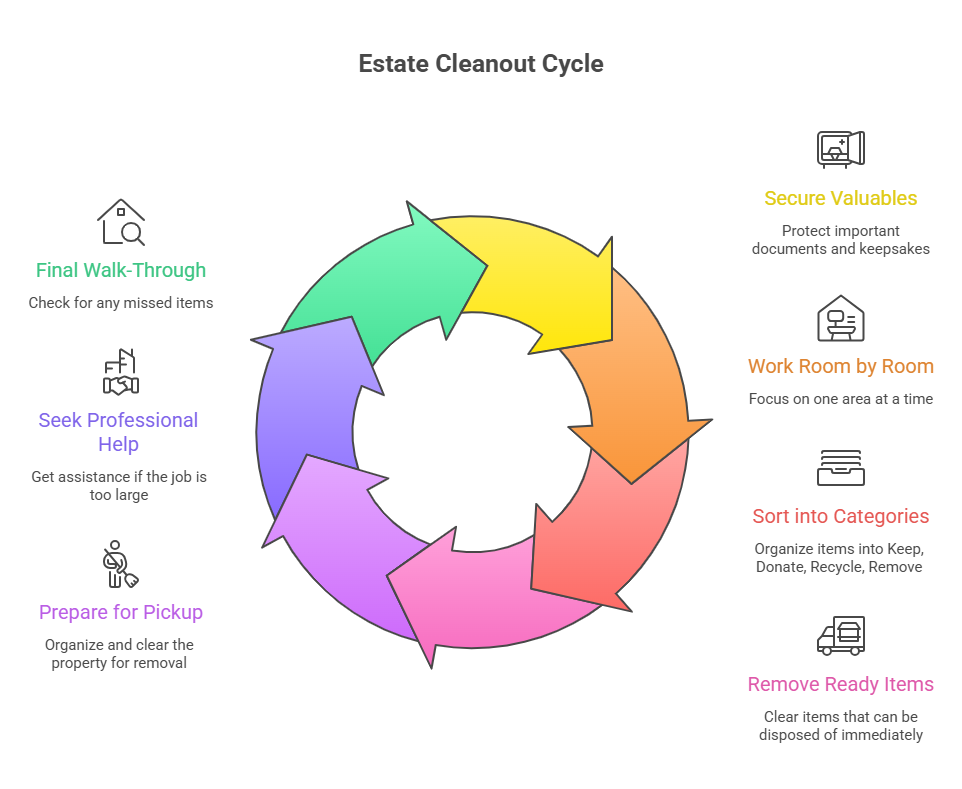
Areas to Double-Check
Look at:
- closet shelves
- bathroom drawers
- kitchen cabinets
- behind doors
- under beds
- basement corners
- garage shelving
- attic edges
The final walk-through does more than catch missed items. It also helps the house feel more manageable. Once the piles are clear and the important items are protected, the next step becomes much easier.
If the property is being sold, transferred, or cleaned out for the next occupant, this last check also helps prevent return trips later.
A Simple Akron Estate Cleanout Plan
If the cleanout feels overwhelming, come back to this order:
- protect paperwork and valuables
- sort one room at a time
- use keep, donate, recycle, and remove
- prepare the house for pickup
- do a final walk-through
That is the simplest way to turn a stressful cleanout into a workable plan.
For many Akron-area properties, the real-time loss happens in storage-heavy areas like basements, garages, attics, and spare rooms. Planning for those areas early helps families avoid frustration later.
Final Thoughts
An estate cleanout usually feels hardest at the beginning, when everything looks mixed together, and the next step is not clear.
The best way forward is to break the job down into small decisions. Protect the important items first. Sort the house in sections. Separate donation items from junk. Then make pickup day easier by clearly marking what stays and what goes.
When the property includes bulky furniture, packed storage areas, or a short timeline, the goal is not to do everything at once. The goal is to make the right decisions in the right order so the cleanout stays organized from start to finish.
For families dealing with inherited homes, the biggest time saver is not speed. It is clarity. Once the keep items, review items, and removal items are separated correctly, the rest of the cleanout becomes much easier to manage.
Need Help After Sorting?
If the property is already sorted and you are ready for lifting, loading, and haul-away, our estate cleanout service can help make pickup day easier. We handle estate cleanouts for inherited homes and property transitions across Summit and Stark Counties.y