
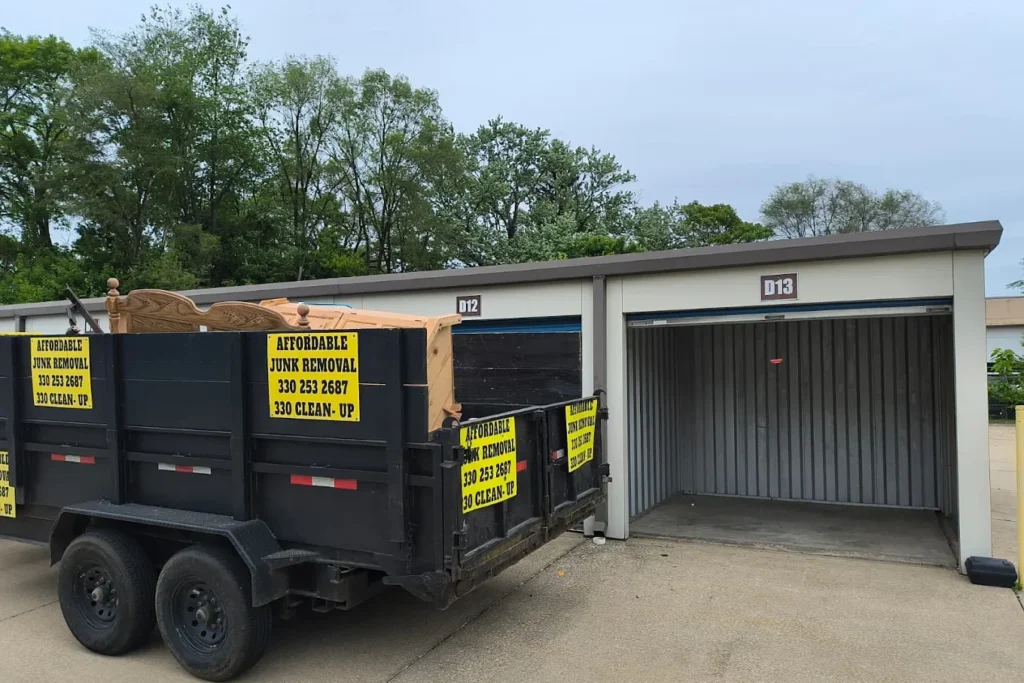
How to Get Rid of Old Furniture in Akron: Donate, Recycle, or Haul It Away
Old furniture can stay in a home much longer than it should.
A broken couch in the basement, an old mattress in the spare room, or a heavy dresser in the garage can quickly turn into a space problem. In many Akron homes, the hard part is not only moving the item. The hard part is deciding what should be donated, what can be recycled, and what is ready to be hauled away.
The easiest way to handle furniture removal is to sort each piece by condition, material, and effort. Once that decision is clear, the cleanup gets much easier.
Quick Answer
If the furniture is clean, stable, and still useful, donation may make sense. If the item is damaged but has recyclable parts like metal, recycling may be worth considering. If it is broken, stained, unsafe, too bulky, or not worth saving, it is usually time for furniture and appliance removal.
Why Old Furniture Stays in Place Too Long
Furniture often sits because people are unsure what to do with it.
One person wants to donate it. Another says it is too damaged. Someone else wants to wait. That delay keeps garages, basements, spare rooms, and rental properties full longer than they need to be.
Old furniture also stays in place when:
- it is too heavy to move safely
- the item does not fit through tight stairs or halls
- the condition is too poor for donation
- the piece is mixed in with other junk
- the cleanup is already on a deadline
That is why the best first step is not dragging everything to the curb. The best first step is choosing the right exit path for each item.
Step 1: Decide If the Furniture Is Still Good Enough to Use
Start with the condition.
A piece of furniture does not need to be perfect to be useful. But it should be clean, safe, and stable. If it is something you would not feel comfortable giving to another person, it does not belong in the donation pile.
Furniture that may still be worth donating
These items may still be good candidates if they are in decent shape:
- chairs with solid legs
- tables with stable tops
- dressers with working drawers
- bookshelves that are still sturdy
- sofas without major tears or strong odors
- bed frames that are complete and safe
This part matters because a donation works best when the item is still useful as it is. If the furniture needs major repair, cleanup, or replacement parts, donation is usually not the right lane.
Step 2: Separate Donation Items From Removal Items Early
Do not leave usable furniture mixed in with junk.
That is one of the easiest ways to lose track of what should stay, what could be donated, and what is ready to leave.
Use three clear zones
Set up three simple areas:
- donate
- recycle
- remove
Keep those areas separate from the start.
Place donation items in a clean room, covered garage section, or another dry spot. Do not leave them next to broken furniture, wet boxes, or loose debris. Once good items get mixed into a messy removal pile, people start making rushed decisions.
That is when usable pieces get thrown away by mistake.
Step 3: Know When Recycling Makes More Sense Than Donation
Some furniture is not good enough to donate, but that does not mean every part belongs in the trash.
Recycling may make sense when the item is damaged as a whole but still contains parts or materials that can be separated.
Furniture parts that may be worth recycling
Depending on the item, recyclable parts may include:
- metal bed frames
- metal table legs
- shelving brackets
- hardware
- some wood or composite parts
- certain mechanical or electronic parts in adjustable furniture
This option works best when the item is already damaged or no longer useful as a full piece. A broken metal frame may still be worth separating. A torn recliner with worn foam and a damaged base usually belongs in the haul-away pile.
If the item takes too much time to break apart, or the house already has a larger cleanup problem, broader junk pickup and hauling is often the more practical decision.
Step 4: Know When It Is Time to Haul It Away
Some furniture is clearly past the point of donation or recycling.
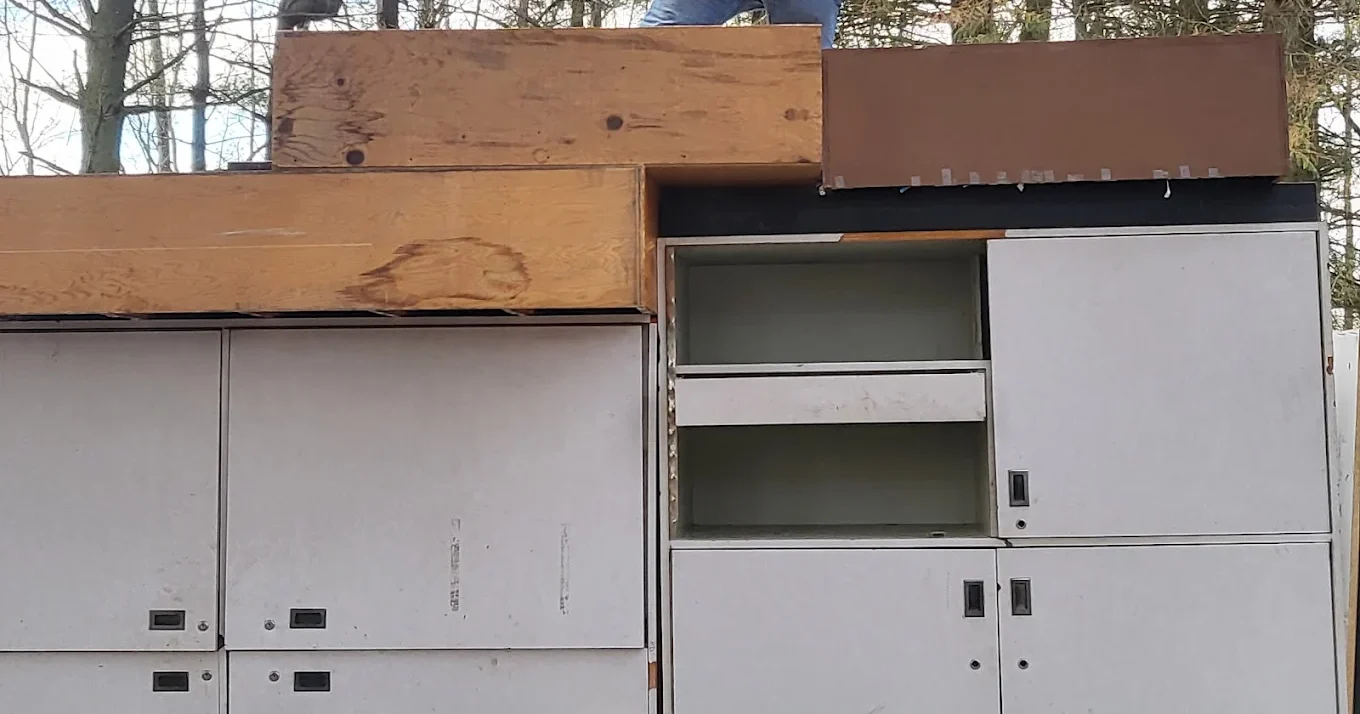
Once an item is broken, unsafe, soaked, moldy, heavily stained, or too bulky to keep moving around, hauling it away is usually the smartest move.
Furniture that is usually ready for haul-away
These items are often not worth storing or donating:
- stained mattresses
- broken couches
- damaged recliners
- warped tables
- dressers with broken frames
- chairs with cracked legs
- moldy or wet furniture
- items with strong odors
- furniture left behind after move-outs or tenant turnover
This is especially true when the piece has already been moved from room to room more than once. At that point, the furniture is usually costing more time and energy than it is worth.
Step 5: Think About Access Before Pickup Day
Furniture removal is not only about the item. It is also about how the item leaves the property.
A basement corner, narrow stairwell, upper floor bedroom, tight apartment hallway, or detached garage can change how difficult the job will be.
Access issues that often slow the job down
Watch for:
- tight staircases
- low basement ceilings
- narrow hallways
- door frames with limited turning space
- heavy pieces on upper floors
- furniture packed behind storage bins
- wet garage floors
- uneven outdoor paths
These details matter because they affect what needs to move first and how long the removal may take. A couch near the front door is very different from a dresser buried behind years of stored boxes.
Step 6: Use a Fast Decision Rule
If you are stuck, use a simple rule.
Donate, recycle, or remove?
Use this:
- Donate if the furniture is clean, safe, and still useful
- Recycle if the furniture is damaged but contains parts worth separating
- Remove if the item is broken, stained, bulky, unsafe, or no longer worth storing
This keeps the cleanup moving.
It also helps homeowners, renters, landlords, and families make faster decisions without turning every piece into a long discussion.
For larger jobs with mixed household items, it also helps to compare junk removal vs dumpster rental before deciding how the cleanup should be handled.
Step 7: Prepare the Furniture Before Removal Day
Once you know what is leaving, make pickup day easier.
What to do before the crew arrives
Try to:
- empty drawers and shelves
- remove loose items from the furniture
- clear a path to the exit
- move donation items away from the removal zone
- set aside the hardware if it needs to stay
- point out anything that must not be taken
Most mistakes happen when the wrong item is close to the pickup area. A clear path and clear separation save time and reduce confusion.
When Donation, Recycling, or Haul-Away Makes the Most Sense
Many furniture cleanups in Akron are not just about one old chair or one worn couch.
They often happen during a move, garage cleanup, rental turnover, inherited home cleanup, or room-by-room cleanout. That is why the right decision is usually based on both the item and the situation around it.
Donation makes sense when the piece is still useful. Recycling makes sense when materials can be recovered without too much effort. Haul-away makes sense when the item is damaged, bulky, hard to access, or mixed into a larger cleanup.
Once that decision is clear, the rest of the job gets easier.
Final Thoughts
Old furniture takes up more space. It also creates a delay.
A worn couch in the basement, a broken dresser in the spare room, or leftover chairs in the garage can keep a cleanup project stuck longer than it should. The best way forward is to decide early what still has value, what can be separated, and what is ready to leave.
If the item is safe and usable, donate it. If the materials can be recovered, recycle what makes sense. If the piece is damaged, bulky, or simply at the end of its life, haul it away and clear the space for the next step.
Need Help After Sorting?
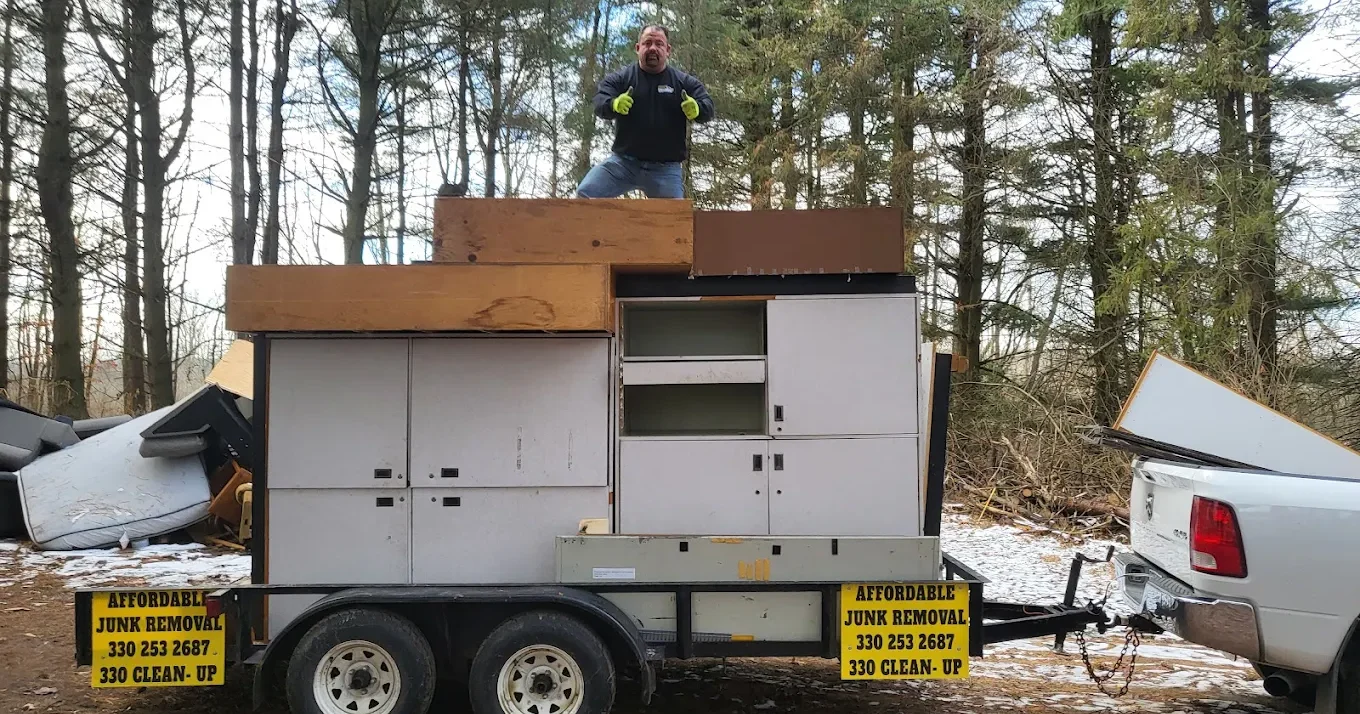
If the furniture is already sorted and you are ready for lifting, loading, and haul-away, our furniture and appliance removal service can help make pickup day easier. We remove bulky furniture from homes, rentals, garages, and larger property cleanouts across Summit and Stark Counties.